Indian Kitchen in Germany: Supermarket Equivalents for Every Indian Ingredient
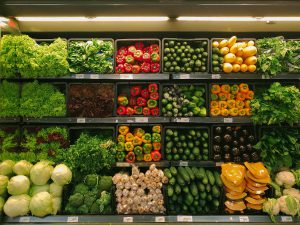
When I moved to Germany in 2021, the first real challenge wasn’t the language or the paperwork, it was the supermarket. I stood in an Edeka for twenty minutes trying to figure out which flour was atta and which one was maida. Spoiler: neither label said either. I called Nitin from the dairy aisle asking if Naturjoghurt was the same as dahi. (It is. Mostly.)
After three years of trial, error, and a lot of Google Translate, here’s the complete list of Indian ingredients and their German supermarket equivalents, plus what you actually need in your kitchen to cook Indian food in Germany.
Flours & Grains
| Indian Ingredient | German Equivalent | Where to Find |
|---|---|---|
| Sooji / Rava (fine semolina) | Hartweizengrieß fein | Every supermarket (REWE, Edeka, Aldi) |
| Sooji / Rava (coarse semolina) | Hartweizengrieß grob | Every supermarket |
| Maida (refined white flour) | Weizenmehl Type 405 | Every supermarket |
| Besan (chickpea flour) | Kichererbsenmehl | REWE, Edeka bio section, Asian stores |
| Atta (whole wheat flour) | Vollkornweizenmehl | Every supermarket, not identical, but works for rotis |
| Rice flour | Reismehl | Bio-Supermärkte (Alnatura, Bio Company), Asian stores |
| Cornflour (for thickening) | Speisestärke (Maizena brand) | Every supermarket, baking aisle |
| Suji for upma / idli | Hartweizengrieß, same thing | Every supermarket |
Dairy
| Indian Ingredient | German Equivalent | Notes |
|---|---|---|
| Dahi (yogurt) | Naturjoghurt (3.5% fat) | Use full-fat, low-fat versions are too watery for cooking |
| Chaas / Buttermilk | Buttermilch | Available everywhere, works perfectly |
| Malai / cream | Sahne (30% fat) or Crème fraîche | Sahne for desserts, Crème fraîche for savoury |
| Condensed milk | Gezuckerte Kondensmilch | Nestlé brand, every supermarket |
| Ghee | Butterschmalz | Available in most supermarkets, identical to ghee, just a different name |
| Paneer | Not directly available in supermarkets | Buy from Indian/Asian stores, or make at home with Vollmilch (3.5%) + lemon juice |
| Khoya / Mawa | Not available | Make at home by reducing full-fat milk on low heat for 45 minutes |
Good news on ghee: Butterschmalz is sold in every German supermarket in the butter aisle. It’s pure clarified butter, the same thing as ghee. Anchor and Meggle are the common brands. Much cheaper than buying imported Indian ghee.
Spices
| Indian Name | German Name | Availability |
|---|---|---|
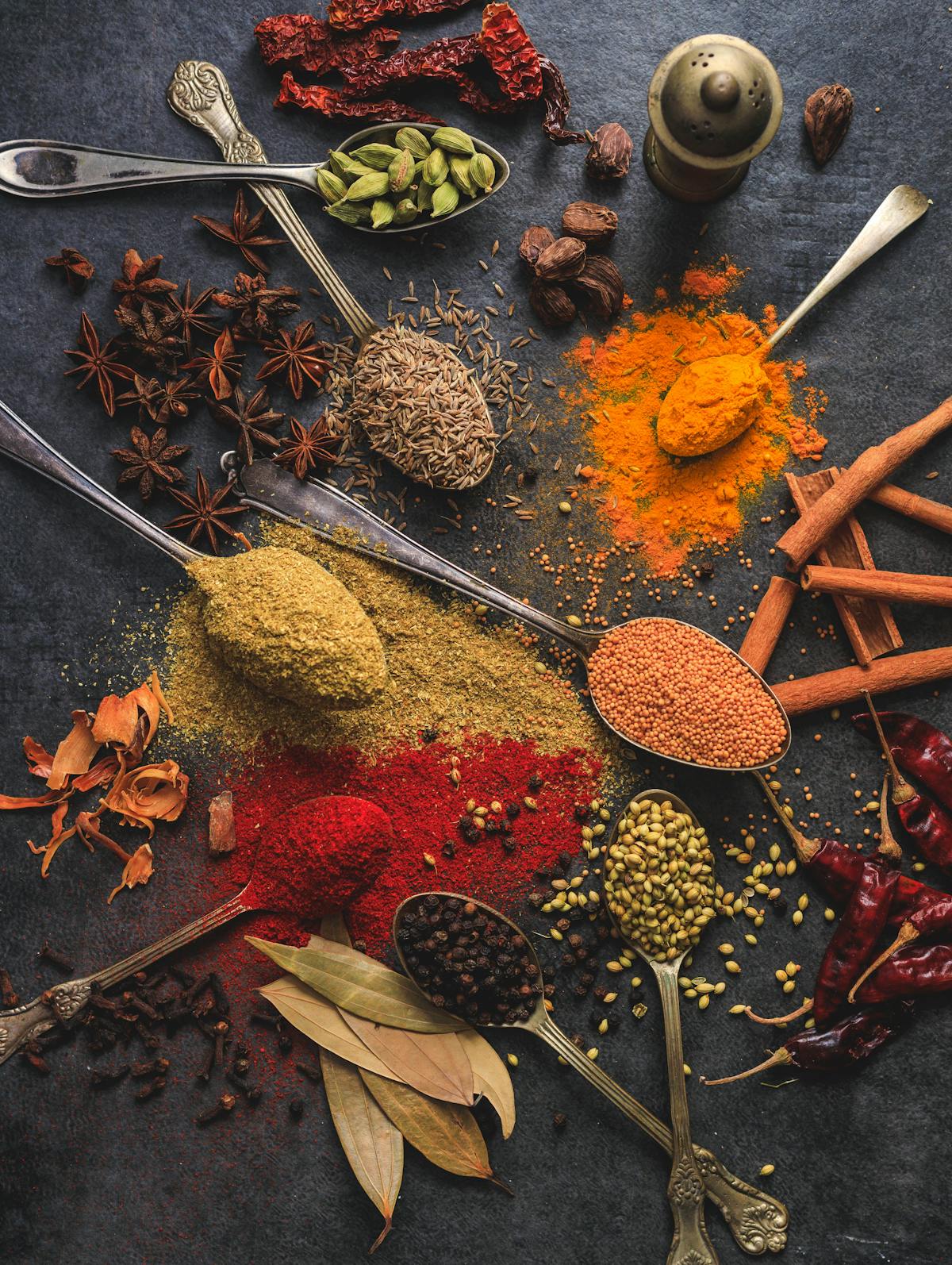
| Haldi (turmeric) | Kurkuma | Every supermarket, spice aisle |
| Jeera (cumin seeds) | Kreuzkümmel (ganz) | Every supermarket |
| Dhania (coriander powder) | Koriander gemahlen | Every supermarket |
| Saunf (fennel seeds) | Fenchelsamen | Every supermarket |
| Methi (fenugreek seeds) | Bockshornklee | Bio stores, Asian stores |
| Rai (mustard seeds) | Senfsamen | Every supermarket |
| Kali Mirch (black pepper) | Schwarzer Pfeffer | Every supermarket |
| Dalchini (cinnamon) | Zimt | Every supermarket |
| Laung (cloves) | Gewürznelken | Every supermarket |
| Elaichi (cardamom) | Kardamom | Every supermarket |
| Hing (asafoetida) | Asafetida / Teufelsdreck | Health food stores (Reformhaus), Asian stores, not in regular supermarkets |
| Kala Namak (black salt) | No German name | Indian / Asian stores only |
| Amchur (dry mango powder) | No German equivalent | Indian stores only |
| Curry leaves (Kadi Patta) | Curryblätter | Asian/Indian stores (sometimes frozen). Not the same as curry powder. |
| Fresh coriander (Dhania) | Frischer Koriander | REWE, Edeka, usually near the fresh herbs. Not always in stock. |
Lentils & Pulses
| Indian Name | German Name | Where to Find |
|---|---|---|
| Masoor Dal (red lentils) | Rote Linsen | Every supermarket, REWE, Edeka, Aldi, Lidl |
| Chhole / Kabuli Chana (chickpeas) | Kichererbsen | Every supermarket (canned or dried) |
| Rajma (kidney beans) | Rote Kidneybohnen | Every supermarket (canned or dried) |
| Moong Dal (split mung beans) | Mungbohnen geschält | Bio stores, Asian stores |
| Urad Dal (black gram) | Urad Dal | Indian/Asian stores only |
| Chana Dal | No direct equivalent | Indian stores, the German split chickpea isn’t the same |
| Toor Dal (pigeon peas) | No German name | Indian/Asian stores only |
Vegetables
| Indian Name | Available In Germany? | Where |
|---|---|---|
| Palak (spinach) | Yes (Spinat) | Every supermarket (fresh and frozen) |
| Bhindi (okra) | Yes (Okra) | Asian stores, some REWE/Edeka international sections |
| Karela (bitter gourd) | Yes | Asian/Indian stores |
| Lauki (bottle gourd) | Yes | Asian/Indian stores |
| Arbi (taro root) | Yes (Taro) | Asian stores |
| Methi leaves (fresh fenugreek) | Sometimes | Indian stores, occasionally Asian stores |
| Raw banana / Kachcha Kela | Yes | Asian stores |
| Drumsticks (Moringa) | Rarely fresh | Indian stores or frozen online |
Cooking Equipment: What to Buy in Germany
For Dosas and Rotis: The Right Pan
This is the question everyone asks. The answer: buy a cast iron crepe pan (Gusseisen Crêpes-Pfanne) or a carbon steel pan (Kohlenstoffstahl-Pfanne). Both work perfectly for dosas and rotis. Avoid non-stick for dosas, you need the heat retention of cast iron or carbon steel.
- Lodge Cast Iron Griddle (25cm or 30cm), available on Amazon.de for around €25–35. The closest thing to a traditional tawa.
- de Buyer Mineral B Crepe Pan: carbon steel, French brand, available at Kaufhof or Amazon.de. Around €30–40. Lighter than cast iron.
- IKEA Råskog cast iron pan: budget option, works for rotis.
Pressure Cooker (Schnellkochtopf)
German pressure cookers are excellent but expensive. WMF Perfect Plus and Fissler Vitavit are the top brands, available at Saturn, MediaMarkt, or Amazon.de. Expect to pay €80–150. Worth it if you cook dal or rice regularly.
Other Essentials
- Kadai / Deep frying pan: Any deep Wok works. IKEA’s Sensuell wok (€20) is a solid budget choice.
- Idli maker: Use a regular steamer insert (Dämpfeinsatz) in a large pot. IKEA sells steamer inserts for €5–10.
- Chakla-belan (rolling board + pin): Buy a marble pastry board (Marmorplatte) and a wooden rolling pin (Nudelholz) from any kitchen shop or Amazon.de.
- Blender / mixer-grinder: A high-powered blender like Vitamix (€400+) or a budget NutriBullet (€60) works for chutneys and batters. For wet grinding (idli/dosa batter), a Preethi or Butterfly mixer-grinder from Indian stores or Amazon.de is the real deal.
Where to Shop for Indian Groceries in Germany
- Indian grocery stores: Search “Indischer Lebensmittelladen [your city]”, most German cities with a tech industry have at least one. Frankfurt, Munich, Berlin, Hamburg, Stuttgart all have several.
- Asian supermarkets: Cover most Indian ingredients. Search “Asiatischer Supermarkt” near you.
- Amazon.de: Surprisingly good for packaged Indian goods, Aashirvaad atta, MDH spices, Patanjali products all available with Prime delivery.
- REWE and Edeka: Better international sections than Aldi/Lidl. Bio sections often stock lentils, chickpea flour, and spices.
- Alnatura / Bio Company: Good for organic lentils, flours, and some spices.
This list gets updated as we discover more. If you’ve found a German equivalent for something not listed here, drop a comment or send it our way, we’ll add it.
Tired of Supermarket Hunting?
Get fresh, perfectly portioned ingredients and exciting recipes delivered straight to your door every week.
Frequently Asked Questions
Can I find Indian spices in regular German supermarkets?
Basic spices like turmeric (Kurkuma), cumin (Kreuzkümmel), coriander (Koriander), and cardamom (Kardamom) are in every German supermarket. For speciality items like hing, kala namak, or curry leaves, you need an Indian or Asian store.
What is the German equivalent of sooji or rava?
Hartweizengrieß fein is the closest match to fine sooji/rava. For coarse rava, use Hartweizengrieß grob. Both are available in every German supermarket in the pasta or baking aisle.
What pan should I buy in Germany to make dosas?
Buy a cast iron crepe pan (Gusseisen Crêpes-Pfanne) or a carbon steel pan. Lodge Cast Iron and de Buyer Mineral B are the best options, both available on Amazon.de for €25–40. Avoid non-stick - it does not retain enough heat for crispy dosas.
Is Butterschmalz the same as ghee?
Yes - Butterschmalz is clarified butter, which is exactly what ghee is. It is sold in the butter aisle of every German supermarket and is much cheaper than imported Indian ghee.
Where can I buy paneer in Germany?
Paneer is available at Indian and Asian grocery stores in most major German cities. It is not sold in regular supermarkets like REWE or Edeka. You can also make it at home by heating full-fat Vollmilch (3.5%) and adding lemon juice until it curdles, then straining through a cheesecloth.

Disclaimer: Expatzentrum is an informational portal designed to help expats navigate life in Germany. While we make every effort to keep our guides accurate, up-to-date, and compliant with current German regulations, the information on this website does not constitute official legal, tax, or financial advice. We are not certified tax advisors (Steuerberater) or legal practitioners. Always consult a qualified professional or the relevant German authorities (such as the Finanzamt or Deutsche Rentenversicherung) before making major financial or legal decisions.