Getting Around Germany: Transport Guide for Expats (2026)

Germany’s public transport looks complicated from the outside, S-Bahn, U-Bahn, Tram, RE, IC, ICE, all running on different tickets, different zones, sometimes different operators. But once you understand the logic, it clicks fast and you realise you genuinely don’t need a car in most German cities. This guide explains every part of the system clearly, so you can stop guessing and start getting around confidently. If you have a non-EU license, you are legally required to exchange it for a German driving licence within six months of arrival.
The Deutschlandticket: Germany’s Best Transport Deal
The Deutschlandticket (also called the 49-Euro-Ticket or D-Ticket) is a monthly subscription that costs €58/month (2026 price) and gives you unlimited travel on all local and regional public transport across Germany.
This includes:
- All U-Bahn, S-Bahn, trams and buses in every German city
- Regional trains (RE, RB) between cities
- No zones, no restrictions: use it anywhere in Germany
What it does NOT include: Long-distance ICE, IC, and EC trains. For those you need a separate DB ticket.
For most expats living in a German city, the Deutschlandticket is the single best transport purchase you can make. It replaces your monthly city transit pass and allows free regional travel at the same time.
How to get it: Buy directly through the DB Navigator app, your city’s transit app, or any transport authority website. Requires a German bank account (SEPA direct debit).
Long Distance Travel: Deutsche Bahn (DB)
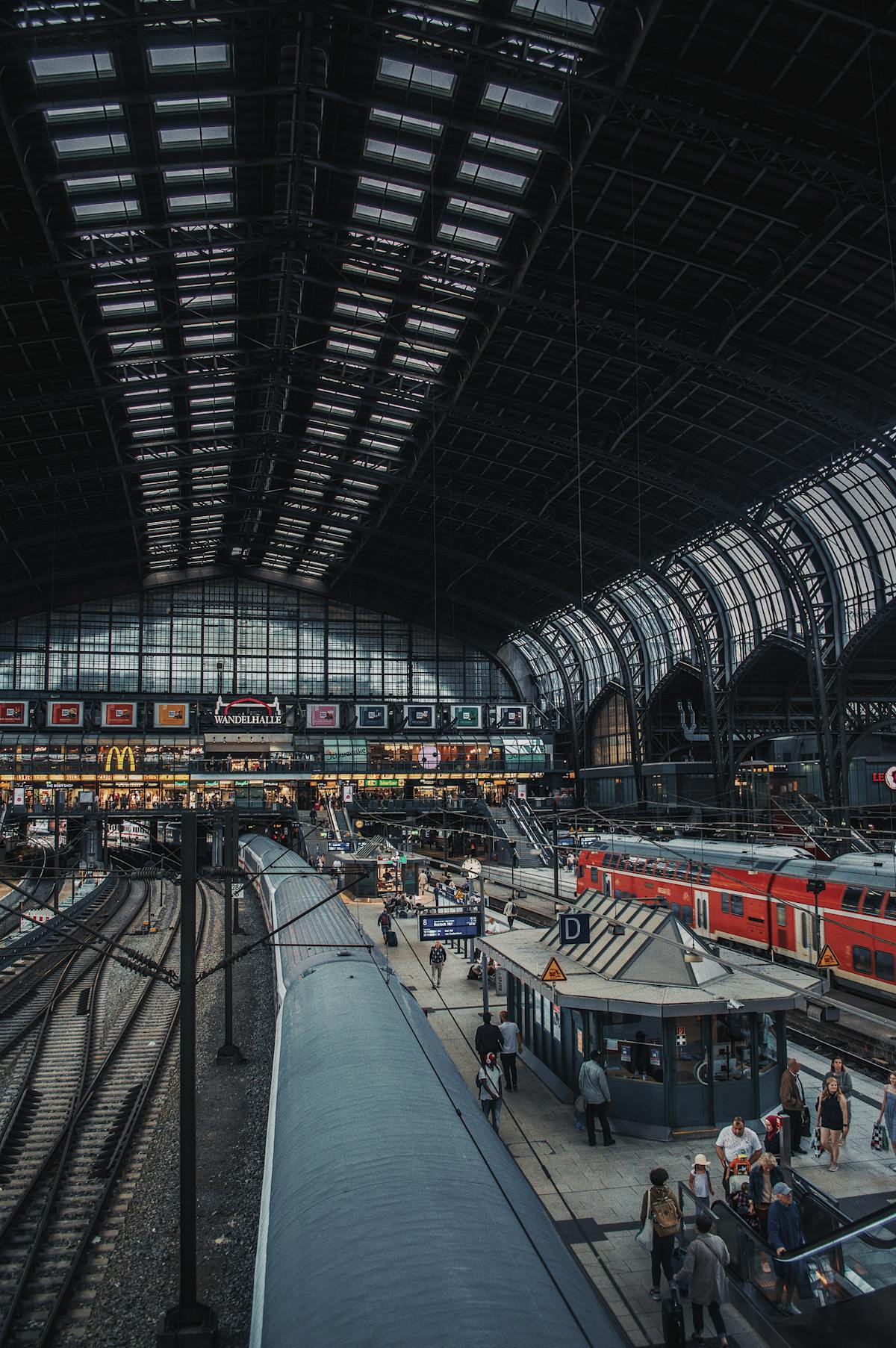
Deutsche Bahn operates Germany’s long-distance rail network. ICE trains connect major cities at speeds up to 300km/h.
BahnCard: Worth It for Frequent Travellers
If you travel by train regularly, the BahnCard gives you a 25% or 50% discount on all DB tickets:
- BahnCard 25: €57.90/year (2nd class), 25% off all tickets
- BahnCard 50: €244/year (2nd class), 50% off all tickets
The BahnCard 25 pays for itself after just a few long-distance trips. Highly recommended for expats who travel between cities for work or leisure.
Tips for Cheap DB Tickets
- Book early: Spar prices (Sparpreis) are available 6 months in advance and can be 60–70% cheaper
- Travel off-peak (avoid Monday mornings and Friday evenings)
- Use the DB Navigator app for best prices
- Supersparpreis tickets start from €17.90 for long distances
City Public Transport (ÖPNV)
Every major German city has excellent local public transport operated by a local transport authority (Verkehrsverbund):
- Munich: MVV (U-Bahn, S-Bahn, tram, bus)
- Berlin: BVG (U-Bahn, S-Bahn, tram, bus)
- Hamburg: HVV
- Frankfurt: RMV
- Cologne/Bonn: VRS
- Karlsruhe: KVV
With the Deutschlandticket, you don’t need to buy separate city passes, it covers all of the above.
Driving in Germany
EU Driving Licences
If you hold an EU driving licence, you can drive in Germany indefinitely, no conversion needed.
Non-EU Driving Licences
Non-EU licences are valid for 6 months after registering (Anmeldung). After that, you must convert to a German licence. Some countries (USA, Canada, Australia) have exchange agreements that make conversion simpler.
The Autobahn
Germany’s famous motorway network has no general speed limit on many sections, though recommended speed is 130km/h. There are speed limits in construction zones and near cities. Always follow posted signs.
Cycling in Germany
Cycling is very popular in Germany, especially in cities like Karlsruhe, Münster, and Berlin. Most cities have dedicated cycle lanes and bike-sharing services (e.g. DB Rad, Nextbike).
Buying a second-hand bike on eBay Kleinanzeigen is a great budget option. Expect to pay €80–200 for a decent used city bike.
Get Around Germany for Less
Buy your Deutschlandticket or book cheap DB train tickets today.
Frequently Asked Questions
Is the Deutschlandticket available for tourists?
Yes - anyone can buy it, not just residents. However, it requires a German payment method for the monthly direct debit. Some cities sell it with international payment options.
How punctual are German trains?
Deutsche Bahn has faced punctuality issues in recent years. Long-distance trains are often delayed. Factor in buffer time for connections, and use the DB Navigator app which shows real-time delays.
Can I take my bike on the train?
Yes - with a bike ticket (Fahrradkarte, around €6 on regional trains). Bikes are not allowed on ICE trains without a special reservation. The Deutschlandticket does not include a bike ticket.

Disclaimer: Expatzentrum is an informational portal designed to help expats navigate life in Germany. While we make every effort to keep our guides accurate, up-to-date, and compliant with current German regulations, the information on this website does not constitute official legal, tax, or financial advice. We are not certified tax advisors (Steuerberater) or legal practitioners. Always consult a qualified professional or the relevant German authorities (such as the Finanzamt or Deutsche Rentenversicherung) before making major financial or legal decisions.